
Arrington & Phillips

A&P native header reconnect review

Atlanta counsel ·Attorney-reviewed legal services

Film Clips: Is Credit Enough?

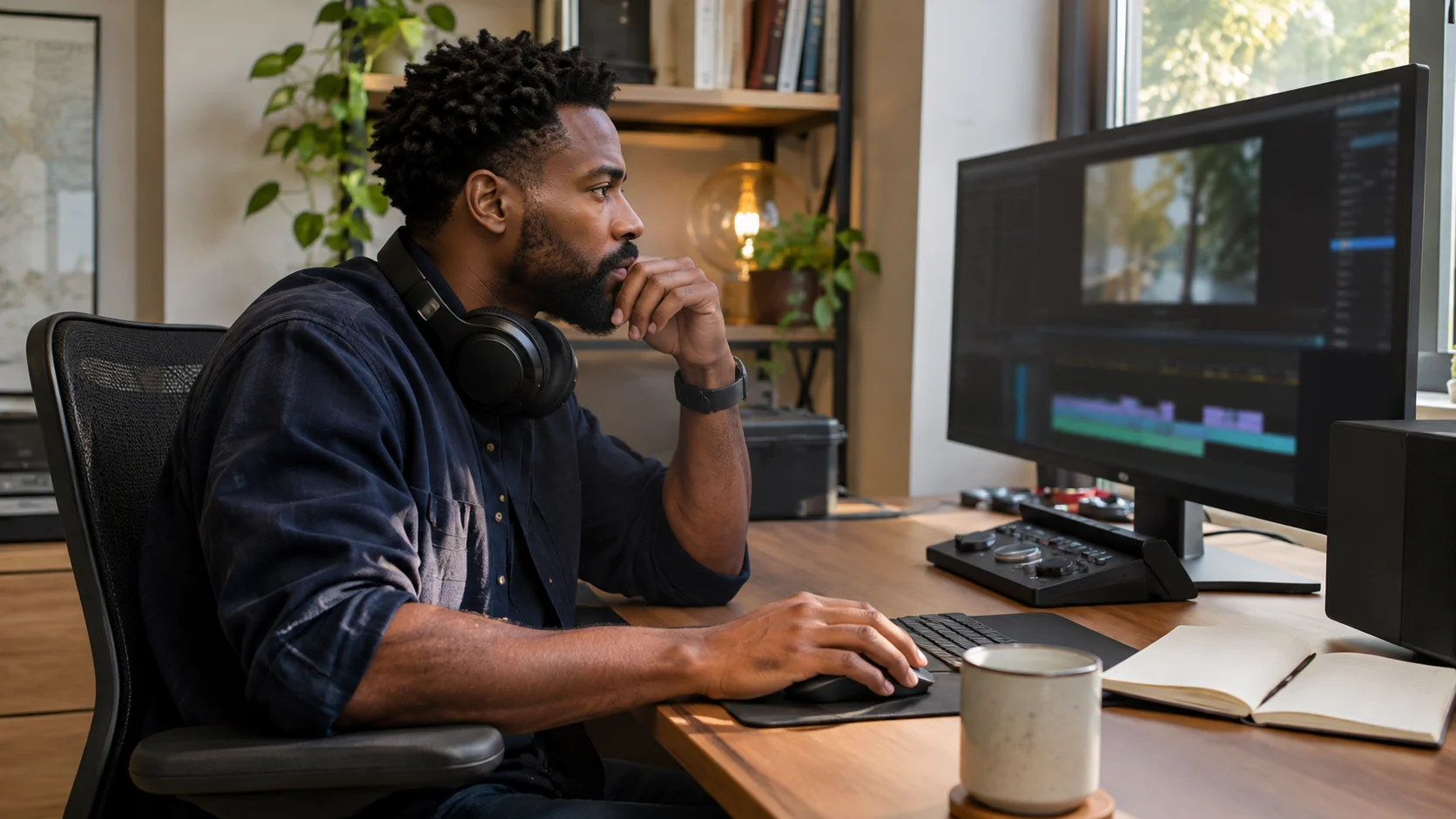
Giving credit is not, by itself, permission to use someone else’s film clip. The relevant question is whether your use is authorised or falls within an applicable legal exception.

Fair use is evaluated in context. The Copyright Office explains that there is no automatic safe number of seconds, words or percentage that a person can use without permission. A short clip is not automatically fair use, and calling a project educational does not decide the analysis.

Write down the actual use

  • Identify the clip and its source. Keep the original context and distinguish the owner’s material from anything added by an uploader.
  • Explain what your project does with it. Is the clip itself being discussed, or is it being used as background entertainment or promotion?
  • Record the amount used, why that amount matters and how the project will be distributed. Avoid relying on a rule you heard about a fixed number of seconds.
  • If seeking permission, describe the real project and retain the written answer. If relying on fair use, obtain advice about the actual edit and circumstances.

Useful resources

Copyright Office permission and fair-use FAQs — addresses permission, ownership research and the absence of a fixed safe-use formula.

Copyright Office Fair Use Index — explains the statutory factors and links to searchable case summaries.

A source credit can still be important for attribution. Keep that separate from the legal reason you believe the clip can be used. This distinction helps the whole team understand what remains unresolved.

Have a question about your situation? Request a consultation with Arrington & Phillips.

General information, not legal advice for a specific matter.
Film Music: Two Rights to Check

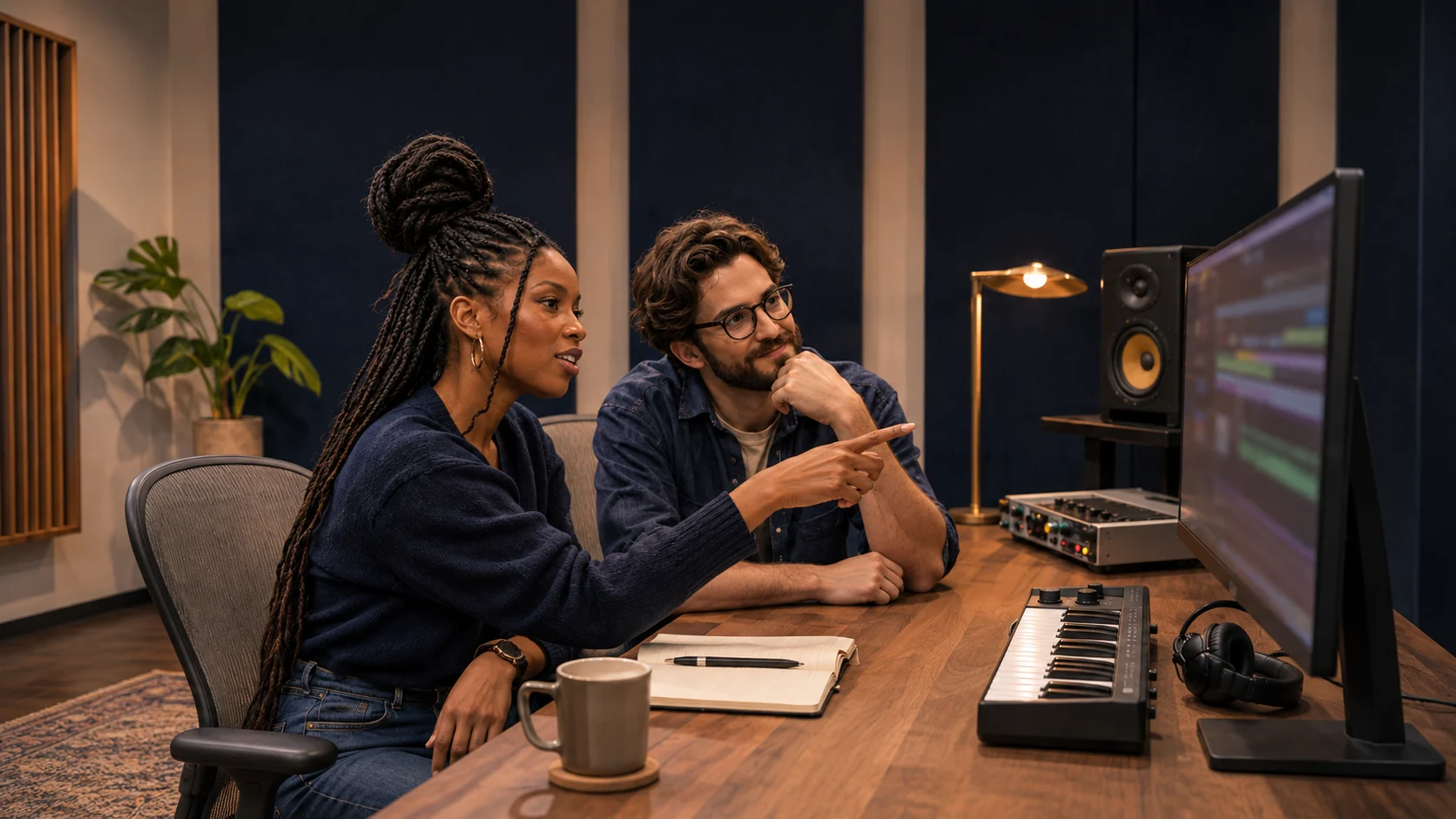
Putting an existing song recording into a film or video can involve two separate rights: the underlying composition and the particular recording. Permission for one does not automatically clear the other.

In film licensing, a synchronization license concerns the composition used with pictures, while a master-use license concerns the recording. Universal Music Group’s licensing guidance explains these distinctions for its catalogue. That guidance does not mean UMG controls the track you want, or that every project follows the same deal.

Build a music-clearance note

  • Identify the exact song and recording, including the performer and version. A remix, live performance or new recording may require a different enquiry.
  • Describe how the music appears, how much you plan to use and whether it is in the film, trailer or advertising.
  • List the intended distribution, territory and period of use. Ask whether a festival-only permission would also cover a later online or commercial release.
  • Save the written permissions and check their scope before release. An unanswered request, purchased download or streaming subscription does not itself document clearance.

Useful resources

Film and TV music-licensing FAQs — explains master-use and synchronization terms, usage scope and UMG’s own request process.

Copyright Office musician guidance — introduces rights in musical works and recordings, and permission questions.

Bring unresolved ownership or license-scope questions to an entertainment attorney before building your distribution plan around a track. A public rights database can help identify a lead, but it does not issue a license for your project.

Have a question about your situation? Request a consultation with Arrington & Phillips.

General information, not legal advice for a specific matter.
Filming in Georgia: Who Can Approve Your Location?

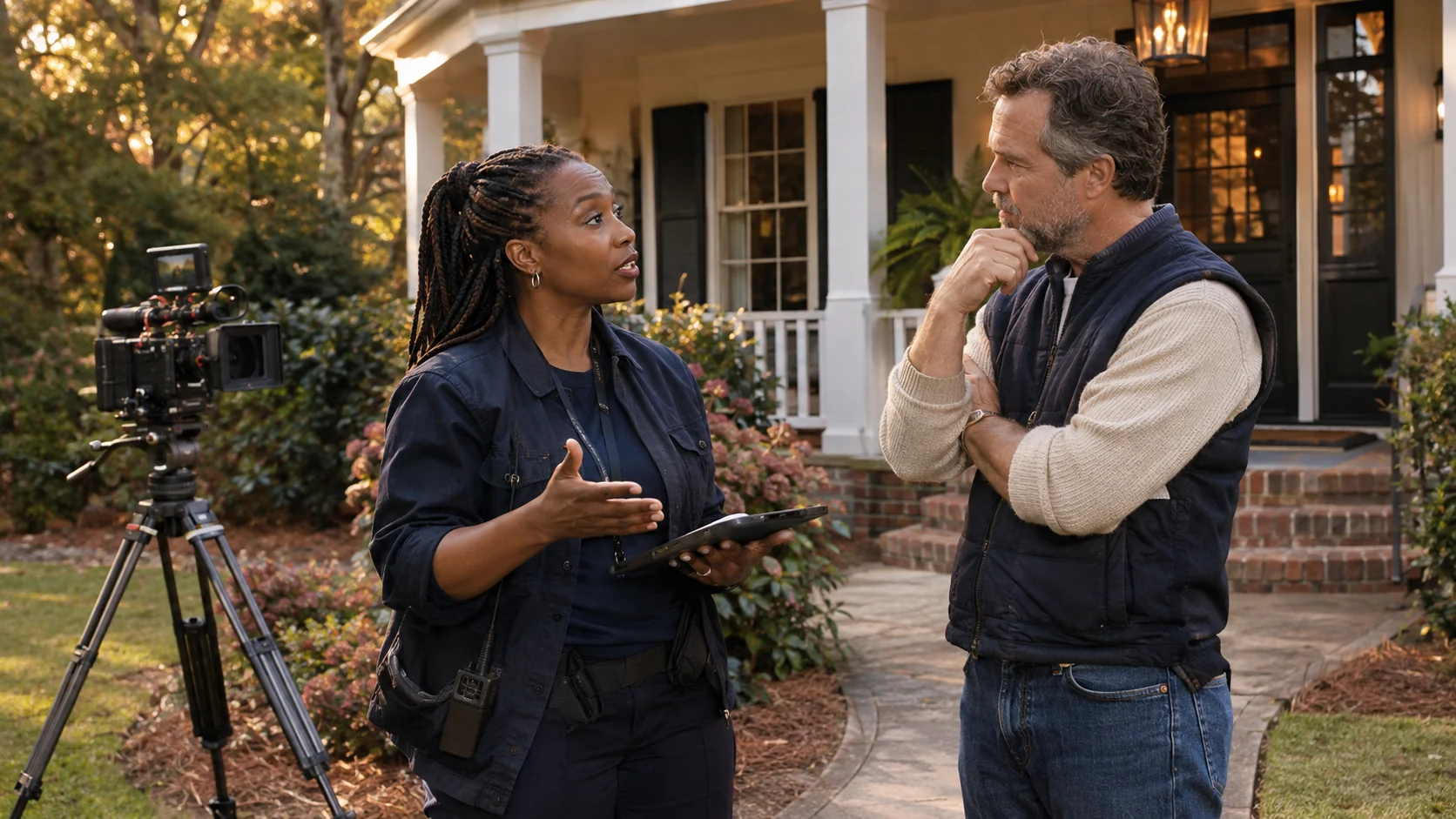
A location owner’s agreement and a government filming permit are different approvals. Before shooting, find out who controls the property and which local or agency rules apply to the planned activity.

Georgia’s Camera Ready directory connects productions with county film liaisons, location information, crew and support services. It is a practical starting point for local questions. A location listing is a lead to investigate; it is not a signed agreement, a reservation or permission to film.

Plan your location inquiry

  • Give the exact location, proposed dates, crew size and type of production. Explain vehicle, parking, noise or street-use needs instead of asking only whether filming is allowed.
  • Confirm who has authority to sign for the property. Put access times, payment, restoration and any reshoot arrangements into the discussion.
  • Ask the local film liaison which approvals, insurance documents or agency contacts the specific shoot needs. Requirements can vary by location and activity.
  • Keep permits, location agreements and production contact information accessible to the crew. Check that each document covers the actual dates and planned use.

Useful resources

Georgia Camera Ready directory — helps identify county film liaisons, locations, crew and support services.

For a first location call, a clear production summary is more useful than a generic template. Review the actual location contract and local requirements before treating the site as ready for the shoot.

Have a question about your situation? Request a consultation with Arrington & Phillips.

General information, not legal advice for a specific matter.